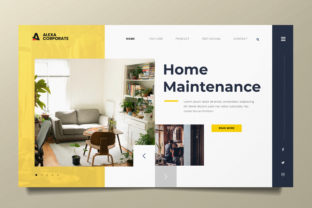
Home Interior Web Header PSD and AI: A Practical Guide to Design Workflow Integration
The Home Interior Web Header PSD and AI is a versatile design asset that serves as a foundational element for web developers, designers, and content creators working on digital projects. This package includes editable vector files in AI format, along with Photoshop (PSD) layouts, EPS files, and high-resolution previews. It’s designed to support a wide range of creative workflows, from initial concept development to final implementation. Whether you're building a website, creating promotional materials, or designing user interfaces, the Home Interior Web Header PSD and AI offers a structured yet flexible approach to visual communication.
Understanding the Components of the Design Package
The Home Interior Web Header PSD and AI is more than just a single file—it's a collection of assets that work together to streamline the design process. The AI format allows for scalable vector graphics, making it ideal for both print and digital use. The PSD layout provides detailed layers, enabling users to modify elements such as text, colors, and images without losing quality. Additionally, the inclusion of EPS files ensures compatibility with various design software and platforms. The high-resolution preview at 8000x4736 pixels offers a clear representation of how the header will appear in real-world applications.
One of the key advantages of this package is its adaptability. The Home Interior Web Header PSD and AI can be customized to fit different branding strategies, project requirements, and aesthetic preferences. For example, a small business owner might use it to create a visually appealing landing page, while a marketing professional could integrate it into a larger campaign strategy. The ability to edit and adjust elements makes it a valuable resource for iterative design processes.
Integrating the Header into Your Creative Workflow
The Home Interior Web Header PSD and AI fits naturally into several stages of a design or development workflow. Before starting a project, it can serve as a reference point for visual direction. During the design phase, it allows for quick adjustments and experimentation with color schemes, typography, and layout structures. After the design is finalized, it can be exported and integrated into web development tools, ensuring consistency across platforms.
For instance, a freelance designer working on a client's website might begin by using the Home Interior Web Header PSD and AI to establish the site's visual identity. They can then export the header design as an image or vector file and incorporate it into the HTML and CSS structure. This seamless transition between design and development helps maintain brand consistency and reduces the risk of misalignment between creative and technical teams.
Collaboration and Compatibility Considerations
When integrating the Home Interior Web Header PSD and AI into a team-based project, compatibility becomes a critical factor. The AI and PSD formats are widely supported by design software such as Adobe Illustrator, Photoshop, and InDesign, making them accessible to most professionals. However, for non-designers or those working with less specialized tools, converting the file to a more universally compatible format like PNG or JPEG may be necessary.
Additionally, the package includes documentation and a free font download link, which simplifies the setup process. These resources ensure that users have all the information they need to make the most of the Home Interior Web Header PSD and AI. Including a preview image download link also helps users visualize the final output before committing to a design decision.
Practical Use Cases and Implementation Tips
The Home Interior Web Header PSD and AI is particularly useful in scenarios where visual consistency and flexibility are required. Here are some practical use cases:
- Website Development: As a header component, it enhances the user experience by providing a cohesive look and feel across all pages.
- Marketing Campaigns: It can be used to create banners, social media posts, and email templates that align with a brand's visual identity.
- Content Creation: Bloggers and educators can use it as a template for their websites or online courses, ensuring a professional appearance.
- Small Business Branding: Entrepreneurs and freelancers can customize the header to reflect their unique style and values.
To maximize efficiency, consider organizing your design files in a centralized folder structure. Labeling each version of the header clearly helps track changes and maintain version control. Additionally, testing the header across different devices and screen sizes ensures that it performs well in various contexts.
Quality Control and Long-Term Use
Ensuring the quality of the Home Interior Web Header PSD and AI is essential for long-term use. Regularly reviewing the design for alignment, spacing, and visual hierarchy helps maintain a polished appearance. When exporting the header, always check the resolution and file format to ensure compatibility with the intended platform.
For ongoing projects, consider creating a master file that includes all necessary elements. This allows for easy updates and modifications without having to rebuild the header from scratch. Keeping a record of design decisions and revisions also helps streamline future iterations.
Conclusion
The Home Interior Web Header PSD and AI is a powerful tool that supports a wide range of creative and business workflows. Its combination of editable vector files, high-resolution previews, and comprehensive documentation makes it an excellent choice for professionals and hobbyists alike. By understanding how to integrate this asset into your design process, you can enhance productivity, maintain consistency, and achieve better outcomes in your projects.