Comic Speech and Thought Bubbles: A Creative Tool for Design and Communication
Comic speech and thought bubbles are more than just decorative elements in graphic design—they’re powerful tools for communication, creativity, and visual storytelling. Whether you're a designer, educator, marketer, or hobbyist, understanding how to use these elements effectively can elevate your projects and make your message more engaging. This article explores what comic speech and thought bubbles are, common mistakes to avoid, and practical tips to help you get the most out of this versatile design asset.
What Are Comic Speech and Thought Bubbles?
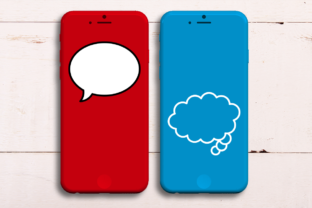
Comic speech and thought bubbles are graphical elements used to represent dialogue and internal thoughts in comic books and illustrations. They come in various styles, including outlined and solid versions, and are often used to add personality, humor, or clarity to a scene. These bubbles are typically circular or oval with a tail pointing toward the character speaking or thinking.
The design of comic speech and thought bubbles is flexible, allowing users to customize text, colors, and shapes to match their project’s tone and style. The availability of multiple file formats—such as SVG, PNG, and DXF—makes them accessible for a wide range of applications, from digital design to physical printing.
Common Mistakes When Using Comic Speech and Thought Bubbles
While comic speech and thought bubbles are simple to use, there are several common mistakes that can reduce their effectiveness. Understanding these pitfalls can help you avoid costly errors and ensure your designs communicate clearly and professionally.
1. Ignoring File Format Limitations
One of the biggest mistakes is not considering the file format when choosing comic speech and thought bubbles. For example, SVG files are ideal for cutting machines like Cricut Explore and Silhouette, but they may not be suitable for print if not properly optimized. On the other hand, PNG files are great for reference and display but cannot be edited or cut.
Always check the file format requirements for your intended use. If you plan to use the bubbles for cutting, prioritize SVG or DXF formats. For general use, PNGs are a safe choice.
2. Not Matching Style to Purpose
Another mistake is using a style that doesn’t align with the project’s overall aesthetic. For instance, a bold, outlined bubble might clash with a minimalist design, while a subtle, solid bubble could overpower a busy layout.
Consider the context of your design. A thought bubble in a children’s book should be playful and colorful, whereas one in a professional presentation should be clean and professional.
3. Overlooking Text Customization
Many users fail to realize that the text within the bubbles is customizable. While the design provides a template, the content is up to you. However, neglecting to adjust the font size, spacing, or alignment can lead to readability issues.
Always test your text within the bubble to ensure it fits well and remains legible. If the text is too long, consider breaking it into smaller lines or adjusting the bubble size accordingly.
How to Avoid These Mistakes
Avoiding these common mistakes requires careful planning and attention to detail. Here are some practical steps to help you use comic speech and thought bubbles effectively:
- Choose the right file format: Match the format to your project’s needs—SVG for cutting, PNG for display, and DXF for specialized software.
- Match style to purpose: Select a bubble style that complements your design’s tone and audience.
- Customize text carefully: Adjust font size, spacing, and alignment to ensure readability and visual balance.
- Test across platforms: Preview your design on different devices and software to ensure consistency.
Realistic Examples and Better Approaches
Let’s look at a few examples to illustrate how to apply these principles:
Example 1: Educational Materials
If you’re creating educational materials for students, a simple, outlined speech bubble with clear, concise text works best. Use a sans-serif font for readability and place the bubble near the relevant illustration or diagram.
Example 2: Marketing Campaigns
In a marketing campaign, a thought bubble can add a personal touch to a product image. Choose a subtle, solid bubble with a modern font to maintain professionalism while adding character.
Example 3: Personal Projects
For personal projects like scrapbooking or DIY crafts, a fun and colorful bubble can enhance the creative vibe. Experiment with different styles and colors to match your theme.
What to Check Before Making a Decision
Before purchasing or downloading comic speech and thought bubbles, consider the following:
- Compatibility: Ensure the file format is compatible with your design software and cutting machine.
- Customization options: Check if the design allows for text, color, and shape modifications.
- License terms: Review any usage rights or restrictions to avoid legal issues.
- Quality: Verify that the design is high-resolution and suitable for both digital and print use.
Conclusion
Comic speech and thought bubbles are valuable tools for designers, educators, and creators looking to enhance their visual communication. By avoiding common mistakes and following best practices, you can ensure your designs are effective, professional, and visually appealing. Always take the time to evaluate your choices and adapt the design to fit your specific needs. With the right approach, comic speech and thought bubbles can become an essential part of your creative toolkit.